
Cloud Security Services: Protect Your Data Online
In today’s fast-paced digital landscape, businesses are increasingly moving their operations to the cloud. From startups to large enterprises, the cloud offers unmatched flexibility, scalability, and accessibility. However, with these benefits comes the critical need for robust security. That’s where cloud security services come in. They are not just an optional add-on—they are a vital layer of protection for your digital assets, data, and reputation.
Understanding Cloud Security Services
Cloud security services encompass a broad range of solutions designed to protect cloud-based systems, data, and applications. These services address potential threats like data breaches, unauthorized access, malware attacks, and compliance violations. Unlike traditional on-premise security, cloud security is tailored to the unique challenges of multi-tenant, scalable environments.
A friend of mine, who runs a small SaaS business, once shared how a single misconfigured cloud storage bucket exposed sensitive customer data. That experience made me realize just how essential comprehensive cloud security solutions are—not just for large enterprises, but for businesses of all sizes.
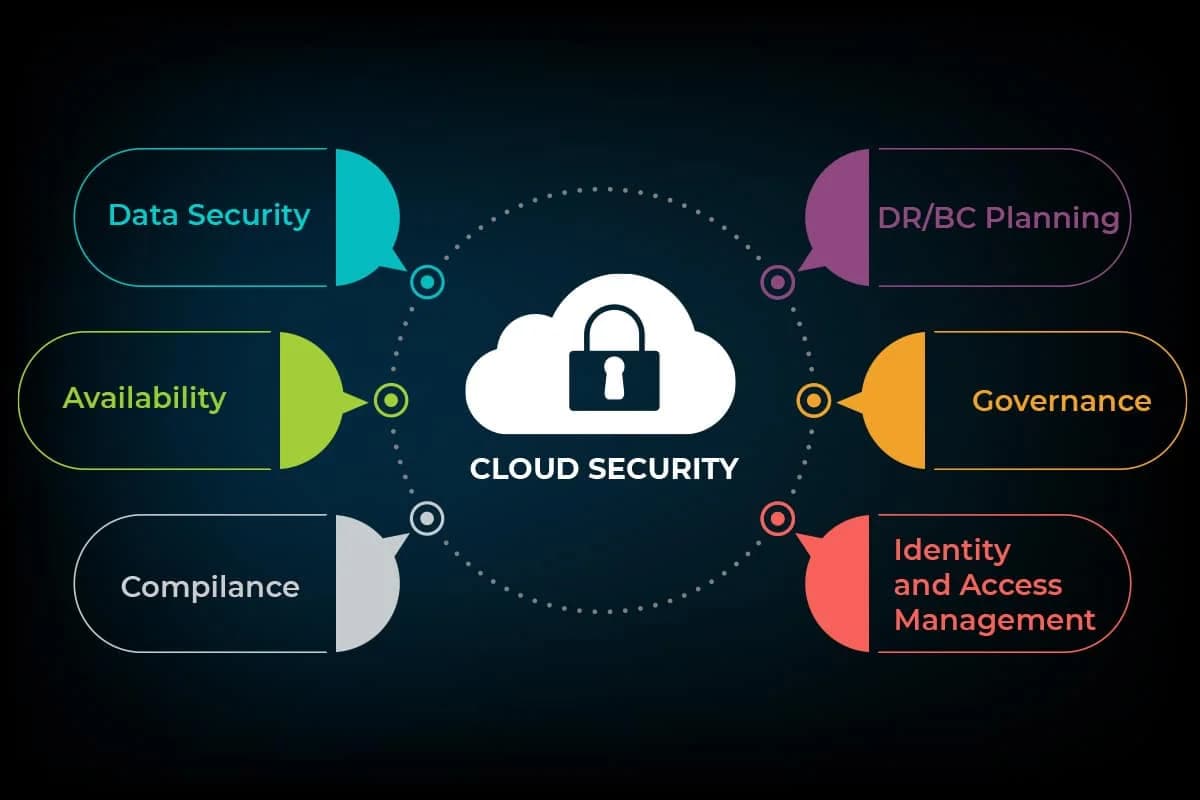
Key Components of Cloud Security Services
Cloud security is not a one-size-fits-all solution. It typically combines several layers of protection:
-
Data Encryption: Ensures that sensitive information is unreadable to unauthorized users both in transit and at rest.
-
Access Management: Controls who can access cloud resources and monitors user activity to prevent insider threats.
-
Threat Detection & Response: Uses intelligent monitoring to detect suspicious activity and respond to incidents in real-time.
-
Compliance Support: Helps organizations meet regulatory requirements such as GDPR, HIPAA, and ISO standards.
-
Backup & Recovery: Ensures business continuity by enabling quick data restoration in case of loss or cyberattack.
Each component plays a crucial role in creating a secure cloud environment. Skipping even one can leave your organization exposed to risks that could be costly and damaging.
Cloud Security in Action: Real-World Implementation
Imagine a healthcare provider that stores patient records in the cloud. A minor misconfiguration in their access policies could allow unauthorized personnel to view sensitive information. This could result in regulatory fines, legal consequences, and a damaged reputation. By implementing cloud security services, the organization can encrypt patient data, enforce strict access controls, and monitor real-time threats—effectively mitigating risks before they escalate.
Choosing the Right Cloud Security Approach
Not all cloud security solutions are created equal. The choice depends on factors like the size of your business, industry-specific requirements, and the types of cloud environments you use. Small businesses often prioritize affordability and quick deployment, while large enterprises focus on advanced threat detection, compliance support, and extensive customization. Cloud-native startups may require flexible, rapidly scalable solutions.
The key is to evaluate your needs carefully and select a provider that aligns with your operational goals and security requirements.
Unique Value: Proactive Security Over Reactive Measures
Many organizations only invest in security after experiencing a breach. The unique advantage of modern cloud security services lies in their proactive nature. These services don’t just react to threats—they anticipate them. Predictive analytics, continuous monitoring, and automated responses ensure that potential vulnerabilities are addressed before they turn into serious incidents.
In my personal experience, switching to a cloud security provider with proactive threat detection significantly reduced our team’s time spent on firefighting security issues. The peace of mind it brought allowed us to focus more on innovation and growth rather than worrying about cyber risks.
Benefits of Investing in Cloud Security Services
-
Enhanced Data Protection: Encryption and access controls prevent unauthorized access.
-
Reduced Downtime: Continuous monitoring and backup solutions ensure business continuity.
-
Regulatory Compliance: Helps avoid fines and reputational damage by meeting legal standards.
-
Scalability: Security grows with your business as cloud environments expand.
-
Cost Efficiency: Avoids the high costs associated with data breaches, ransomware, and recovery efforts.
These benefits make cloud security services not just a defensive measure, but a strategic investment for any organization relying on cloud technology.
Future Trends in Cloud Security
The cloud security landscape is evolving rapidly. Emerging trends include:
-
AI-Driven Security: Automated threat detection and response powered by artificial intelligence.
-
Zero Trust Architecture: Never automatically trust any device or user, whether inside or outside the network.
-
Integration with DevOps: Security built into the development lifecycle rather than added as an afterthought.
-
Multi-Cloud Security: Protection across multiple cloud providers to prevent gaps in security coverage.
Staying ahead of these trends ensures that your cloud security strategy remains robust in an ever-changing threat landscape.
Read More: Managed IT Service Providers for Business Efficiency
Conclusion
Cloud security services are no longer optional—they are essential for safeguarding data, maintaining compliance, and ensuring business continuity. From startups to multinational enterprises, investing in a comprehensive, proactive cloud security strategy can mean the difference between seamless operations and catastrophic data breaches. Whether it’s encryption, access management, threat detection, or compliance support, each component adds critical protection to your digital infrastructure.
By choosing the right combination of services tailored to your organization’s needs, you not only mitigate risk but also gain a strategic advantage, allowing your team to innovate with confidence in a secure cloud environment.
FAQs
Q1: Are cloud security services only for large businesses?
No, cloud security is important for organizations of all sizes. Even small businesses can face cyber threats and data breaches, and many providers offer scalable, affordable solutions.
Q2: How do cloud security services differ from traditional IT security?
Traditional IT security focuses on on-premise systems, while cloud security addresses unique challenges of shared, multi-tenant, and scalable environments in the cloud.
Q3: Can cloud security services prevent all cyberattacks?
While no system is 100% immune, these services significantly reduce risk by combining proactive monitoring, threat detection, encryption, and compliance measures.
Q4: Is regulatory compliance included in cloud security services?
Yes, many cloud security providers help businesses meet industry-specific compliance standards, including GDPR, HIPAA, and ISO certifications.
Q5: How do I choose the right cloud security service for my business?
Consider factors such as business size, cloud environment, compliance needs, and budget. Look for providers offering comprehensive protection and proactive threat management.
Need Expert Business Solutions?
Connect with our experts in IT, Cybersecurity, Software, Digital Marketing, Business Services, and Finance for personalized solutions tailored to your needs.
Get Free Consultation