
Managed Services Provider Complete IT Support Guide Pro
Technology keeps businesses alive. From emails and cloud storage to cybersecurity and customer databases, everything depends on reliable IT systems. But managing technology internally isn’t always practical—especially as systems grow more complex. That’s where a managed services provider becomes essential.
Instead of reacting to problems after they occur, these specialized partners proactively monitor, manage, and optimize your IT environment. They help businesses run smoother, reduce downtime, and stay secure—all without the cost and stress of maintaining a full in-house IT department.
Let’s explore what this service model really means, how it works, and why it has become a strategic advantage for modern organizations.
What Is a Managed Services Provider?
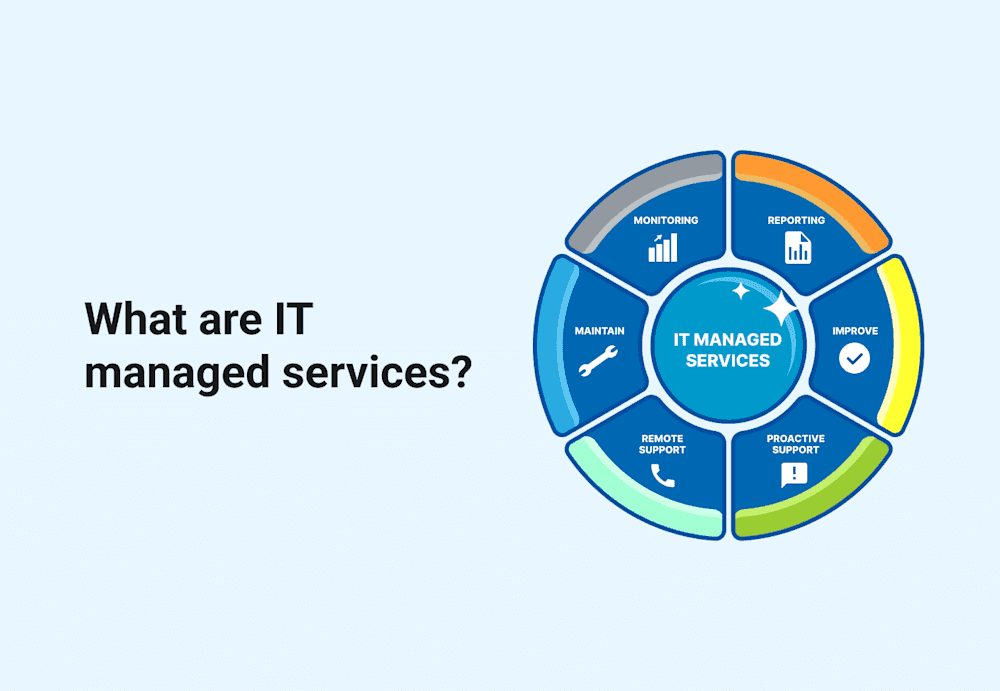
A managed services provider (MSP) is a company that remotely manages and supports a business’s IT infrastructure, systems, and users. This includes everything from network monitoring and cybersecurity to cloud management and technical support.
Unlike traditional IT support that only fixes problems when something breaks, an MSP works continuously in the background to prevent issues before they disrupt operations.
Common services include:
-
24/7 system monitoring
-
Cybersecurity protection
-
Cloud management and migration
-
Data backup and disaster recovery
-
Help desk support
-
Network and server management
-
Software updates and patch management
Many providers also support platforms from companies like Microsoft, Amazon Web Services, and Cisco, ensuring seamless integration with modern business tools.
Why Businesses Are Moving Toward Managed IT Services
The shift toward outsourced IT management isn’t just a trend—it’s a response to real business challenges. Technology evolves quickly, and internal teams often struggle to keep up.
Here’s why companies are embracing this model:
1. Predictable and Lower Costs
Instead of unpredictable repair expenses, businesses pay a fixed monthly fee. This makes budgeting easier and eliminates surprise costs.
2. Proactive Problem Prevention
Systems are monitored constantly. Potential issues are detected early and resolved before they cause downtime.
3. Access to Skilled Experts
Businesses gain access to experienced professionals without hiring multiple full-time specialists.
4. Stronger Security
Cyber threats are increasing every year. Managed support teams implement security measures, monitor threats, and protect sensitive data.
5. More Time to Focus on Core Business
Instead of worrying about technical problems, companies can focus on growth, customers, and operations.
I’ve personally seen how proactive IT monitoring can prevent major disruptions—once, a server issue was identified and resolved overnight before it affected business hours, saving what could have been a full day of lost productivity.
How Managed Services Work Behind the Scenes
These providers use advanced monitoring tools to watch over systems 24/7. They track performance, detect unusual activity, and respond quickly.
Here’s what happens behind the scenes:
-
Systems are continuously monitored
-
Security threats are identified and neutralized
-
Updates and patches are installed automatically
-
Backups are performed regularly
-
Technical support is available when users need help
This proactive approach prevents failures rather than reacting to them.
Companies like IBM have long emphasized the importance of proactive infrastructure management, which reflects the core philosophy behind modern outsourced IT services.
Real-World Business Case: How Proactive IT Management Prevents Downtime
Imagine a growing e-commerce company handling hundreds of daily orders. Suddenly, their server begins to slow down due to a hidden malware infection.
Without proactive monitoring, the system might crash during peak sales hours—leading to lost revenue, unhappy customers, and damaged reputation.
But with managed IT support in place:
-
The unusual activity is detected immediately
-
The threat is isolated and removed
-
The system is restored without downtime
-
Customers never notice any disruption
This silent protection keeps business operations stable and reliable.
Key Services Offered by Managed IT Providers
Network Monitoring and Maintenance
They monitor networks continuously to ensure performance, stability, and security.
Cybersecurity Protection
Security tools, firewalls, threat detection, and prevention systems protect against cyberattacks.
Cloud Services Management
Providers help businesses migrate, manage, and optimize cloud platforms.
Data Backup and Disaster Recovery
Regular backups ensure data can be restored quickly in case of failure or attack.
Help Desk Support
Employees receive quick assistance for technical issues, improving productivity.
Software and System Updates
Updates are installed regularly to keep systems secure and efficient.
How Managed Services Improve Business Productivity
Technology problems slow down employees. Even small issues can disrupt workflow and waste valuable time.
Outsourced IT management improves productivity by:
-
Reducing downtime
-
Ensuring fast system performance
-
Providing instant technical support
-
Preventing disruptions before they occur
Employees work more efficiently when technology functions smoothly.
Choosing the Right Managed Services Partner
Not all providers offer the same level of service. Choosing the right partner is critical.
Here’s what to look for:
Proven Experience
Choose a provider with experience supporting businesses similar to yours.
24/7 Monitoring and Support
Technology runs constantly, so support should too.
Strong Security Capabilities
Security should be a top priority, not an afterthought.
Transparent Pricing
Clear pricing helps avoid hidden costs.
Scalable Solutions
Your provider should support your business as it grows.
A reliable partner becomes an extension of your business—not just a service provider.
The Hidden Advantage: Strategic Technology Guidance
Beyond fixing problems and maintaining systems, managed service companies provide something even more valuable—strategic insight.
They help businesses:
-
Plan technology upgrades
-
Improve efficiency
-
Reduce long-term costs
-
Stay competitive
Instead of simply maintaining technology, they help transform it into a growth engine.
This quiet transformation often separates struggling companies from thriving ones.
When Does a Business Need Managed IT Services?
Businesses benefit from outsourced IT support when:
-
Technology issues happen frequently
-
Security risks are increasing
-
Internal IT resources are limited
-
Downtime affects productivity
-
The company is growing rapidly
Even small businesses can gain enterprise-level support without enterprise-level costs.
Future of Managed IT Services
As technology becomes more advanced, the demand for proactive IT management continues to grow.
Future trends include:
-
Increased cloud adoption
-
Advanced cybersecurity protection
-
Remote infrastructure management
-
Automation and intelligent monitoring
Businesses that embrace proactive IT support will operate more efficiently and securely.
Read More: Managed Security Service Provider Guide 2026
Conclusion
Technology is no longer just a tool—it’s the backbone of business success. Managing IT internally can be expensive, complex, and risky. A managed services provider offers a smarter alternative by delivering proactive monitoring, expert support, and reliable system management.
Instead of waiting for problems to happen, businesses can prevent them entirely. This results in better performance, stronger security, predictable costs, and greater peace of mind.
Ultimately, the right IT partner doesn’t just support your business—it strengthens its foundation and prepares it for the future.
FAQs
What does a managed services provider do?
They monitor, manage, and maintain a business’s IT systems, including networks, security, cloud services, and technical support.
Are managed IT services suitable for small businesses?
Yes. Small businesses benefit greatly because they gain expert support without hiring expensive internal teams.
How much do managed services cost?
Costs vary depending on services, but most providers offer fixed monthly pricing, making expenses predictable.
Do MSPs improve cybersecurity?
Yes. They implement security tools, monitor threats, and protect systems from cyberattacks.
What’s the difference between managed services and traditional IT support?
Managed services prevent problems proactively, while traditional support fixes issues only after they occur.
Can managed IT services support cloud platforms?
Yes. Providers manage cloud infrastructure, migrations, storage, and optimization.
Need Expert Business Solutions?
Connect with our experts in IT, Cybersecurity, Software, Digital Marketing, Business Services, and Finance for personalized solutions tailored to your needs.
Get Free Consultation